
Valve Reliability: Why It Beats Low Prices
In industrial manufacturing, municipal infrastructure, energy production, and process engineering, valves play a critical role in controlling fluid flow, regulating pressure, isolating equipment, and maintaining safe operating conditions. Although purchase price is often one of the first factors considered during procurement, it does not necessarily reflect a valve's long-term economic value. A low-cost valve that requires frequent maintenance, causes production interruptions, or fails prematurely can ultimately cost far more than a higher-quality alternative.
Valve reliability should therefore be treated as a core selection criterion rather than an optional quality advantage. Reliable valves help maintain process continuity, protect downstream equipment, reduce unplanned shutdowns, and support compliance with applicable safety and environmental requirements. For industrial buyers, engineers, maintenance managers, and project contractors, the real objective is not simply to purchase a valve at the lowest initial cost. It is to select a valve that delivers predictable performance throughout its intended service life.
The importance of reliability becomes especially apparent in systems involving hazardous chemicals, high-pressure steam, combustible gases, corrosive fluids, or continuous production processes. Under these conditions, even a relatively small valve failure can have consequences extending far beyond the component itself. Evaluating valve reliability requires a systematic understanding of design, materials, manufacturing quality, operating conditions, maintenance requirements, and total cost of ownership.
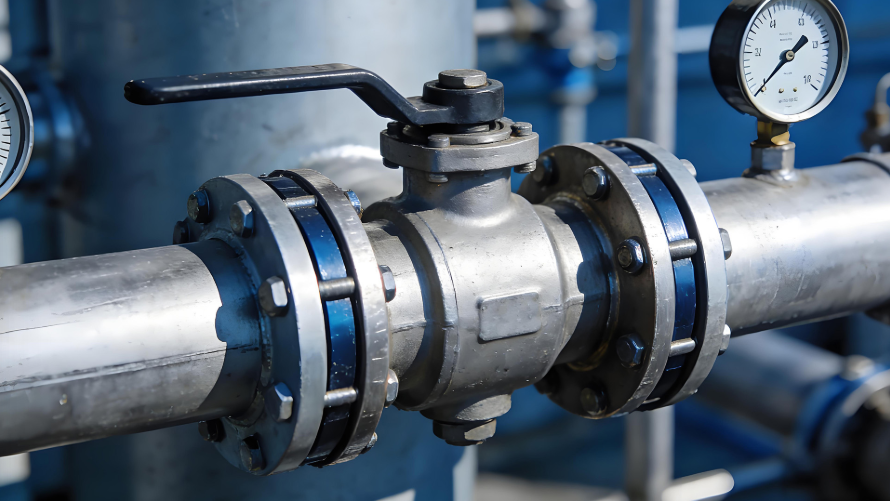
Valve reliability refers to the ability of a valve to perform its intended functions consistently under specified operating conditions for a defined period. These functions may include opening and closing when required, maintaining the specified shutoff performance, regulating flow accurately, and withstanding the mechanical, thermal, and chemical stresses imposed by the process.
Reliability is related to durability and stability, but the three concepts are not identical. Durability describes a valve's ability to resist wear, corrosion, fatigue, and other forms of degradation over time. Operational stability refers to the consistency of its performance under changing or sustained process conditions. Reliability combines these characteristics with the probability that the valve will continue to perform its required function without failure.
For example, a valve may have a strong body that resists mechanical damage but still exhibit poor reliability because its stem packing leaks or its actuator fails. Similarly, a control valve may remain mechanically intact while providing unstable flow regulation due to incorrect sizing, poor actuator tuning, or unsuitable trim characteristics. A comprehensive assessment must therefore consider the complete valve assembly rather than focusing exclusively on the valve body.
Industrial buyers can evaluate valve reliability using several practical indicators. No single metric is sufficient for every application, so selection criteria should reflect the valve's intended function and the consequences of failure.
- Leakage performance: Whether the valve meets the specified internal and external leakage requirements.
- Operating consistency: Whether opening, closing, and modulation remain predictable throughout normal operation.
- Mechanical integrity: Whether the body, bonnet, stem, disc, ball, gate, and other pressure-retaining or moving components withstand the required loads.
- Cycle life: Whether the valve can tolerate the expected number of operating cycles without unacceptable degradation.
- Corrosion and wear resistance: Whether wetted components and sealing surfaces remain suitable for the process medium.
- Actuator reliability: Whether manual, pneumatic, hydraulic, or electric actuation provides the required force, torque, and response.
- Maintainability: Whether inspection, adjustment, repair, and replacement can be performed efficiently and safely.
- Traceability and quality assurance: Whether materials, manufacturing processes, inspections, and tests are documented appropriately.
These indicators should be translated into measurable technical requirements wherever possible. Statements such as “high quality” or “long service life” are not sufficient procurement specifications unless they are supported by defined performance criteria, applicable standards, test records, and clear operating limits.
One of the most important functions of a reliable valve is to maintain the integrity of the process system. Industrial valves may handle water, steam, fuel gas, petroleum products, corrosive chemicals, toxic substances, or other media that must remain contained. A failure in the pressure boundary or sealing system can cause external leakage, while inadequate seat performance can allow unwanted flow through a nominally closed valve.
The consequences depend on the medium, operating pressure, temperature, installation environment, and quantity released. A water leak may cause flooding or equipment damage, whereas a leak involving flammable gas or toxic chemicals can create a much more serious hazard. In high-pressure systems, uncontrolled fluid release may also expose personnel to dangerous jet forces, extreme temperatures, or chemical burns.
Reliable valve selection begins with identifying the process medium and its hazards. Engineers should consider chemical compatibility, pressure and temperature ratings, shutoff requirements, fire exposure where relevant, and the consequences of losing containment. Appropriate valve designs, materials, sealing arrangements, and inspection practices help reduce risk, although no valve can eliminate every possible failure mode.
Valve reliability also depends on whether the valve can move when the process requires it to do so. Deposits, corrosion, erosion, inadequate lubrication, stem deformation, packing overtightening, and unsuitable material combinations can increase operating torque or thrust. In automated systems, an actuator may be unable to overcome the resulting resistance, leaving the valve partially open or preventing it from reaching the required position.
This problem is particularly important for emergency isolation valves, shutdown valves, and valves used to protect critical equipment. A valve that performs normally during routine operation may still fail when called upon to close during an emergency. For this reason, critical valves may require periodic functional testing, proof testing, partial-stroke testing where appropriate, or other verification methods defined by the safety system design.
A dependable installation should account for the complete actuation chain: control signal, power supply, actuator, coupling, stem or shaft, internal moving parts, and final valve position. Position feedback alone does not necessarily prove that a valve has achieved the required shutoff performance. Functional verification should match the actual safety or process requirement.
Valve reliability is an important element of a broader process safety management program. It should be addressed during design, procurement, installation, commissioning, operation, and maintenance. Critical valves should be identified according to their functions and the potential consequences of failure, rather than being treated identically to every noncritical isolation valve in a facility.
For high-consequence services, procurement teams may need documented material traceability, qualified manufacturing procedures, specified nondestructive examination, pressure testing, functional testing, and inspection records. The required scope depends on the service, project specification, governing code, and applicable regulatory obligations.
Reliability also benefits from a clear maintenance strategy. A valve that is correctly specified but never inspected may deteriorate without warning. Conversely, a carefully maintained valve cannot compensate for an inherently unsuitable design or an incorrect material selection. Safety therefore depends on the combination of appropriate engineering, manufacturing quality, installation, and lifecycle management.
The purchase price represents only one part of a valve's economic impact. Over its service life, a valve may generate costs associated with installation, inspection, preventive maintenance, repairs, replacement parts, energy consumption, production interruptions, and disposal. Depending on the application, these lifecycle costs can significantly exceed the original purchase price.
Total cost of ownership (TCO) provides a more useful framework for comparing alternatives. It considers the costs incurred over a defined period and evaluates them against expected operating performance and service life.
A simplified lifecycle cost model can be expressed as:
Total Cost of Ownership = Purchase Cost + Installation Cost + Maintenance Cost + Downtime Cost + Replacement Cost + Other Operating Costs
The calculation should avoid double-counting costs and should account for the expected evaluation period. Where appropriate, engineers may also include the time value of money, inventory carrying costs, inspection expenses, and the cost of disposal or environmental remediation.
For example, suppose a lower-priced valve costs $500, while a more reliable alternative costs $800. If the lower-priced option requires repeated seal replacement and causes a costly shutdown, its initial saving may disappear quickly. The more expensive valve is not automatically better, but its higher purchase price may be justified if verified performance reduces total lifecycle expenditure.
Consider a hypothetical industrial water circulation system that operates continuously. The following example illustrates how maintenance frequency and downtime can influence the overall economics of valve selection.
| Cost item | Lower-priced valve | Higher-reliability valve |
|---|---|---|
| Initial purchase price | $500 | $800 |
| Installation cost | $150 | $150 |
| Scheduled maintenance over five years | $600 | $250 |
| Replacement parts over five years | $300 | $100 |
| Expected downtime-related cost | $1,500 | $300 |
| Illustrative five-year total | $3,050 | $1,600 |
The figures are hypothetical and are intended only to demonstrate the calculation method. Actual costs depend on equipment criticality, maintenance practices, labor rates, replacement availability, process conditions, and the financial impact of downtime. A higher-priced valve will not necessarily achieve the same savings in every application.
The key lesson is that procurement decisions should be based on documented technical performance and realistic lifecycle assumptions. Buyers should request relevant test evidence, material specifications, warranty conditions, spare-parts availability, and service support instead of assuming that either the lowest-priced or most expensive option will deliver the best value.
Unplanned downtime can be particularly expensive in continuous-process industries. A failed valve may interrupt a production line, stop a pump or compressor, disrupt heat transfer, affect product quality, or require an entire process section to be isolated. The resulting loss may include idle labor, wasted raw materials, missed delivery deadlines, restart expenses, and contractual penalties.
In some facilities, the direct cost of the replacement valve is negligible compared with the cost of shutting down production. For this reason, valves installed in critical service should be evaluated according to their failure consequences, not simply their replacement price. A small valve controlling an essential utility supply may be more economically important than a much larger valve in a noncritical line.
Reliability-centered procurement can also reduce maintenance uncertainty. When component failure patterns are understood and spare parts are standardized, maintenance teams can plan interventions more effectively. Reliable valves support this approach by reducing unexpected corrective work and allowing maintenance resources to be allocated according to actual equipment risk.
The valve body forms part of the pressure boundary and must withstand the mechanical and environmental conditions of the service. Material selection should consider operating pressure, temperature, corrosion mechanisms, erosion potential, thermal cycling, and compatibility with the process medium. A material that performs well in clean water may be unsuitable for concentrated chemicals, high-temperature steam, or fluids containing abrasive particles.
Common industrial valve body materials include carbon steel, stainless steel, cast iron, ductile iron, and various alloy steels. Each has advantages and limitations. Carbon steel is widely used in many industrial services because of its mechanical properties and availability, while stainless steel may provide improved corrosion resistance in selected environments. Ductile iron is commonly used in water infrastructure, subject to applicable pressure, temperature, and medium limitations. Alloy steels may be selected for particular high-temperature or demanding mechanical conditions.
Material choice must be based on the actual process conditions rather than general assumptions about material quality. For example, stainless steel does not resist every corrosive chemical, and carbon steel can be a suitable option when corrosion allowances, fluid chemistry, coatings, and operating conditions are properly managed. Engineers should consult material compatibility data and applicable design requirements before finalizing the specification.
Valve seats, gaskets, and stem packing are often among the most service-sensitive components. Their performance depends on chemical compatibility, temperature, pressure, surface finish, compression, movement, and exposure to wear or contamination. Selecting a seal material solely because it is inexpensive or commonly used can lead to premature leakage or operational problems.
Common sealing materials include elastomers such as EPDM, NBR, and FKM, as well as engineering polymers such as PTFE. Their suitability differs by application. EPDM is commonly used in many water services but is generally unsuitable for petroleum-based oils. NBR is often used where oil resistance is important, while FKM can provide useful resistance to a range of oils, fuels, and chemicals within its formulation-specific limits. PTFE offers broad chemical resistance but has different mechanical behavior from elastomers and may require suitable design features to manage creep and deformation.
These descriptions are general guidelines, not universal compatibility guarantees. Temperature limits and chemical resistance depend on the exact compound, concentration, pressure, exposure duration, and manufacturer qualification. In demanding service, engineers should verify the selected seal material against documented compatibility data and the complete operating envelope.
Even high-grade raw materials cannot ensure valve reliability if manufacturing processes are inconsistent. Dimensional errors, poor surface finishes, inadequate alignment, improper heat treatment, casting defects, and incorrect assembly can impair sealing and increase mechanical stress. A valve may pass a basic inspection while still exhibiting premature wear or unstable performance in actual service if critical manufacturing variables are not controlled.
Quality assurance should therefore extend beyond checking the final appearance of the product. Depending on the valve type and service, it may include material identification, dimensional inspection, pressure testing, seat leakage testing, functional cycling, coating inspection, and appropriate nondestructive examination. The manufacturer should be able to demonstrate that the product conforms to the specified design and applicable standards.
Traceability is particularly important for critical service. Material certificates, heat numbers, test reports, and inspection documentation help buyers verify that the supplied valve matches the purchase specification. They also support investigation if a failure occurs later. However, documentation should be evaluated alongside actual technical compliance and manufacturing capability; paperwork alone is not proof of reliable field performance.
Different valve designs perform different functions, and selecting the wrong type can undermine reliability even when the product is well manufactured. Gate valves are commonly used for on-off isolation, globe valves are often suitable for throttling when properly sized, ball valves provide rapid quarter-turn operation, and butterfly valves offer compact flow-control and isolation solutions in many large-diameter systems. Check valves are designed to limit reverse flow, while specialized control valves regulate process variables according to defined control requirements.
No valve type is universally superior. The correct choice depends on the intended function, fluid properties, flow rate, pressure drop, operating frequency, shutoff requirements, installation space, and maintenance constraints. For example, a valve designed primarily for isolation may not be suitable for continuous throttling if the resulting flow conditions create excessive vibration, cavitation, erosion, or seat damage.
Selection should begin with a clear definition of the valve's role in the system. Engineers should identify whether the valve must isolate, regulate, prevent reverse flow, provide emergency shutdown, or perform more than one function. The design should then be assessed against the required performance criteria, applicable standards, and realistic operating scenarios.
High-temperature applications demonstrate why valve reliability cannot be inferred from valve type alone. A gate valve, globe valve, ball valve, or butterfly valve may be suitable for a particular temperature range only when its materials, pressure rating, sealing system, and design are appropriate for that service. A valve marketed as a heavy-duty industrial product is not automatically qualified for high-temperature operation.
As temperature increases, material strength may decrease, thermal expansion can alter clearances, and sealing materials may soften, harden, oxidize, or lose elasticity. Differential expansion between the body, stem, closure element, and seat can affect operating torque and leakage performance. Thermal cycling may also introduce fatigue or stress at joints and pressure-retaining components.
For high-temperature steam or process fluids, buyers should verify the pressure-temperature rating rather than relying only on the nominal pressure class or a generic maximum temperature claim. They should also confirm the suitability of the packing, gasket, seat, bolting, and actuator for the intended conditions. Where relevant, the specification should address warm-up procedures, thermal transients, insulation, and maintenance access.
An incorrectly sized valve can suffer from poor control performance, excessive pressure loss, noise, vibration, cavitation, or accelerated erosion. A valve that is too large may operate near the closed position for much of its service life, reducing controllability and potentially increasing seat wear. A valve that is too small may create excessive pressure drop and fail to provide the required capacity.
Control valves require particular attention to flow characteristics and operating range. Engineers may need to evaluate flow coefficient, pressure recovery, fluid compressibility, flashing, cavitation, and the characteristics of the actuator and positioner. The design should provide stable control under both normal and expected off-design conditions.
Reliable sizing requires accurate process data, including minimum, normal, and maximum flow rates, upstream and downstream pressures, temperature, density, viscosity, and other relevant fluid properties. Using only the nominal pipe diameter as the sizing basis can lead to an unsuitable selection. A technically sound sizing calculation helps protect both valve reliability and the stability of the overall process.
In automated systems, valve reliability depends on both the valve and the actuator. Pneumatic actuators are widely used where compressed air is available and rapid operation is required. Electric actuators can provide convenient integration with electrical control systems and may be appropriate where compressed air is unavailable. Hydraulic actuators are used in applications requiring substantial force or torque, depending on the system design.
The actuator must provide adequate output throughout the required operating range, including allowances for differential pressure, packing friction, seat loads, temperature effects, and other foreseeable resistance. For quarter-turn valves, torque requirements may vary significantly with position. For linear valves, thrust requirements and stem forces must be considered. Actuator selection should use manufacturer-supported sizing data rather than relying on nominal pipe size alone.
Engineers should also verify the power supply, control signal, duty cycle, enclosure rating, environmental conditions, operating speed, and fail-safe requirements. In hazardous locations, the equipment must meet the applicable area classification and certification requirements. For safety-critical applications, the required response to loss of power or instrument air should be defined in the system design and verified during commissioning.
A reliable automated valve must respond correctly to the control system and provide meaningful feedback about its state. Positioners, limit switches, transmitters, solenoid valves, and communication interfaces may all influence performance. Wiring faults, moisture ingress, incorrect calibration, unstable control signals, and incompatible components can create failures that appear to originate in the valve itself.
Commissioning should verify travel limits, response time, signal scaling, actuator direction, interlocks, and the behavior of the valve under normal and abnormal conditions. For modulating service, engineers should assess control stability across the expected operating range. For isolation service, the system should verify the required end position and, where necessary, independently establish that the valve meets its shutoff requirement.
Preventive maintenance should include checks appropriate to the actuator type and operating environment. These may involve inspecting electrical connections, checking instrument-air quality, testing solenoid valves, verifying limit switches, and reviewing diagnostic alarms. The purpose is not to maximize the number of maintenance tasks, but to identify credible failure modes before they disrupt the process.
Industry standards provide a common technical framework for valve design, dimensions, pressure ratings, testing, and manufacturing requirements. Depending on the application, relevant standards may include API, ASME, ISO, EN, and other national or sector-specific requirements. The applicable standard should be selected according to the valve type, service, jurisdiction, and project specification.
For example, API 600 addresses steel gate valves for petroleum and related industries, while API 598 covers inspection and testing requirements for various industrial valves. ASME B16.34 addresses valve design considerations including pressure-temperature ratings and other requirements for covered valve types. These standards serve different purposes, and compliance with one does not automatically establish compliance with every other requirement relevant to a project.
Buyers should confirm the required edition, scope, and acceptance criteria. Where multiple standards apply, the procurement specification should clearly identify their relationship and resolve any conflicts. Standards compliance is an important foundation for quality, but it does not eliminate the need to verify that the selected valve is suitable for the actual service conditions.
Pressure testing is commonly used to verify the integrity of valve pressure boundaries and, where specified, the performance of closure components. Test methods, media, duration, pressure, and acceptance criteria depend on the applicable standard and valve specification. Seat leakage testing evaluates the ability of the closed valve to restrict flow through the closure interface under defined conditions.
It is important to distinguish pressure-boundary testing from seat leakage testing. A valve may withstand the specified shell test while still failing to achieve the required shutoff performance. Conversely, a valve that meets a particular seat leakage criterion has not thereby demonstrated suitability for every operating temperature, pressure, fluid, or cycle requirement.
Test reports should identify the valve, applicable procedure, test conditions, and results. Buyers should also understand the specified leakage class or acceptance limit rather than relying on broad descriptions such as “zero leakage” without a defined test basis. For critical applications, testing requirements should be agreed before production and reflected in the purchase documentation.
A robust quality assurance program should define the inspections required at different manufacturing stages. Depending on the valve and service, this may include verification of raw materials, casting or forging inspection, machining dimensions, welding quality, surface treatment, assembly, pressure testing, and final functional checks.
Traceability enables the manufacturer and buyer to connect a finished valve to relevant production and test records. This is particularly valuable when a valve is installed in a hazardous or regulated service, or when a failure investigation requires the identification of material batches and manufacturing details.
Third-party inspection may be appropriate for projects with strict quality requirements, but it should be applied according to the actual risk and specification. An inspection certificate is most useful when its scope, sampling plan, and acceptance criteria are clear. Quality assurance should provide objective evidence that the supplied equipment meets its contractual and technical requirements.
Preventive maintenance involves planned inspection and servicing intended to reduce the likelihood of failure. The tasks required vary according to valve design, operating conditions, criticality, and manufacturer recommendations. Common activities include inspecting for external leakage, checking stem or shaft movement, reviewing actuator operation, examining accessible fasteners, and verifying that the valve can perform its intended function.
Maintenance intervals should not be selected solely by habit. A valve exposed to abrasive slurry, corrosive chemicals, frequent cycling, or severe temperature changes may require more attention than a valve operating in clean, stable service. Conversely, unnecessary disassembly can introduce contamination, damage sealing surfaces, or create additional maintenance risks.
A practical preventive maintenance plan should define the inspection method, acceptance criteria, responsible personnel, required tools, and records to be retained. It should also specify the conditions under which the valve must be removed from service or escalated for engineering review. Clear procedures improve consistency and help maintenance teams identify deterioration before it becomes a major failure.
Predictive maintenance uses operating data and diagnostic information to identify developing faults. Depending on the application, useful indicators may include actuator torque or current, travel time, position deviation, leakage trends, vibration, cycle count, and changes in process performance. These indicators can help maintenance teams distinguish normal variation from conditions that warrant investigation.
For example, an electric actuator that consistently draws more current during travel may be experiencing increased mechanical resistance, incorrect settings, or another developing issue. A valve that takes longer to complete a stroke may have a degraded actuator, inadequate power or air supply, or increased friction. Such signals are not definitive diagnoses, but they can guide targeted inspection.
Condition-based maintenance can reduce unnecessary interventions and improve maintenance planning, particularly where many valves are installed across a large facility. However, it requires appropriate instrumentation, baseline data, and staff capable of interpreting results. Monitoring should complement rather than automatically replace the functional tests and inspections required for critical equipment.
Spare-parts availability can have a substantial effect on the economic consequences of valve failure. A technically suitable valve may become a poor lifecycle choice if replacement seals, actuators, stems, or other components are difficult to obtain. Long lead times can extend downtime and force operators to hold more inventory than expected.
Procurement teams should evaluate the availability of critical spare parts, recommended maintenance kits, technical documentation, and manufacturer support. For equipment installed in remote locations or critical process lines, stocking selected components may be justified by the cost of a prolonged interruption. Spare-parts planning should be based on failure consequences, expected wear, delivery times, and compatibility requirements.
Repairability is also an important consideration. Some valves are designed to allow routine replacement of seals or other wear components, while others may require specialized equipment or complete replacement after significant damage. A well-planned lifecycle strategy balances maintainability, availability, safety, and the cost of keeping equipment in service.
A reliable valve supplier should be able to demonstrate that its products meet the purchaser's technical requirements and that its manufacturing processes are controlled. Buyers should evaluate the supplier's experience with the relevant valve type, material range, pressure class, size range, and industry application. Experience with a similar product is useful, but it should not replace verification of the exact specification.
Useful evaluation criteria include:
- Compliance with the specified design and testing standards.
- Availability of material certificates and traceability documentation.
- Established inspection and quality control procedures.
- Demonstrated capability in machining, assembly, and testing.
- Access to relevant test facilities and calibrated instruments.
- Technical support for sizing, materials, and actuator selection.
- Availability of spare parts and repair documentation.
- Clear warranty terms and a documented process for handling nonconformities.
- Consistent delivery performance and effective communication.
Supplier quality should be assessed using evidence rather than marketing claims alone. A factory audit, sample inspection, reference project, or review of quality records may be appropriate depending on order value and application risk. For critical equipment, technical clarification before purchase can prevent expensive misunderstandings after delivery.
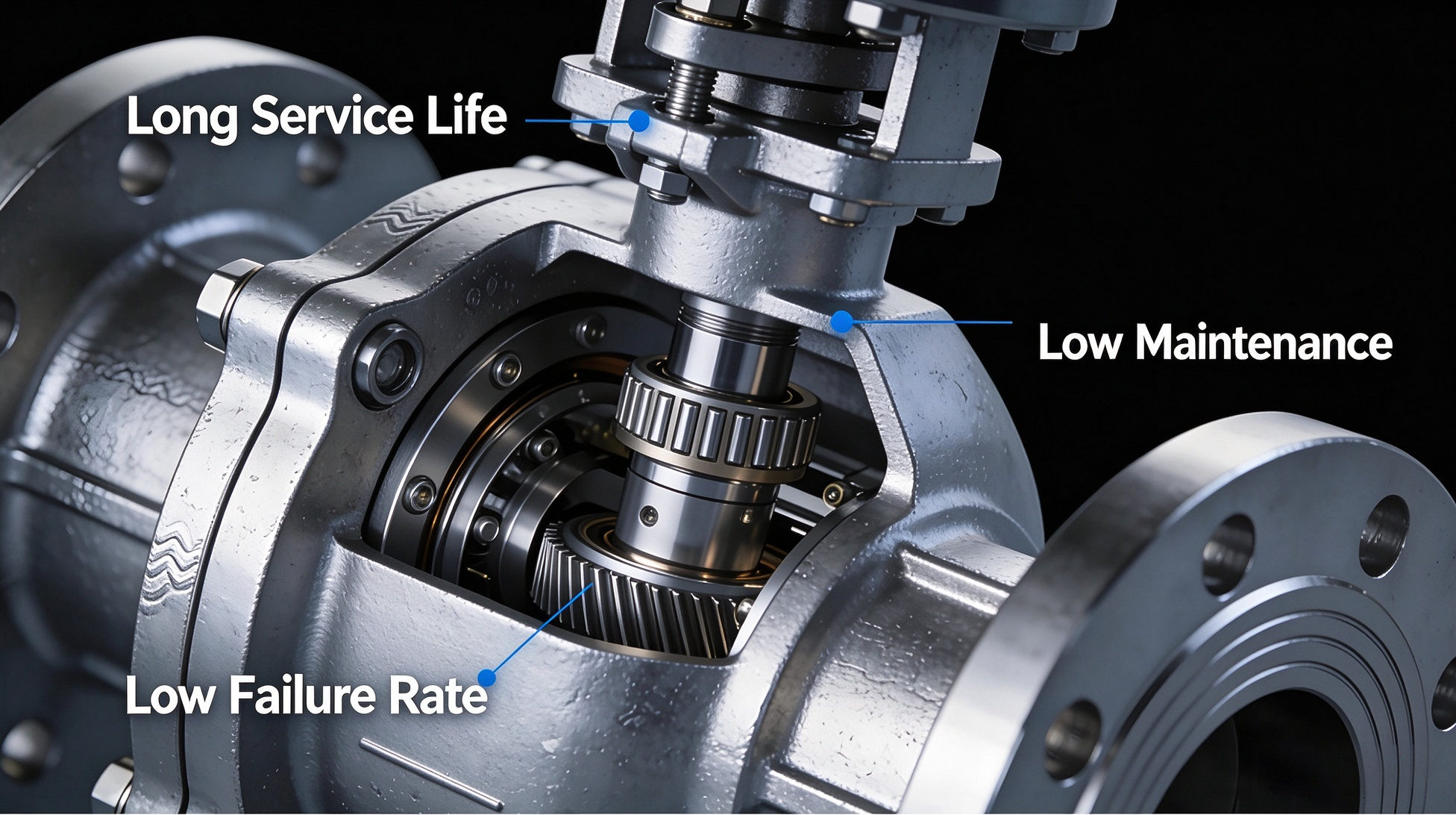
A manufacturer's reputation can provide useful information about its consistency, technical support, and service experience. However, brand recognition alone does not guarantee that every model is appropriate for every application. Buyers should investigate the actual product series, manufacturing location where relevant, quality documentation, and suitability for the specified process conditions.
Field performance information is especially valuable when it comes from comparable operating environments. A valve that performs reliably in clean water may not deliver the same service life in a high-temperature chemical process. References should therefore be evaluated for similarity in medium, pressure, temperature, cycle frequency, and maintenance practices.
A supplier should also be able to explain the limits of its product rather than presenting every valve as suitable for all conditions. Transparent technical communication is a positive indicator because it helps engineers identify potential failure modes and make informed decisions. The strongest supplier relationship is based on verifiable product capability, realistic operating expectations, and dependable after-sales support.
Chemical and petrochemical facilities often involve complex combinations of pressure, temperature, corrosive media, flammable fluids, and continuous operation. A valve failure can lead to leakage, process instability, environmental release, or an emergency shutdown. Reliability requirements must therefore be aligned with the specific medium, process conditions, hazardous-area classification where relevant, and the consequences of failure.
Material selection is particularly important. The valve body, trim, stem, seat, packing, and gasket may all contact the process medium or be exposed to its environment. Engineers should consider concentration, impurities, temperature, and possible changes in process chemistry. They should also evaluate whether erosion, polymerization, crystallization, or solid deposits may interfere with valve movement or sealing.
Critical chemical service often benefits from documented inspection, material verification, and a well-defined maintenance strategy. The objective is to prevent foreseeable failure modes while ensuring that the selected valve can perform its function throughout the expected operating envelope.
Water supply and wastewater facilities depend on valves to isolate equipment, regulate distribution, control pump systems, and manage treatment processes. Because these networks may contain large numbers of valves, reliability directly influences maintenance workload, service continuity, and the cost of operating infrastructure.
Valve selection should account for water chemistry, suspended solids, installation conditions, operating pressure, and the possibility of infrequent operation. Valves that remain stationary for long periods may develop deposits or mechanical resistance, while wastewater applications can expose components to solids, biological activity, and corrosive gases. Suitable coatings, materials, sealing systems, and access for maintenance should be considered as part of the design.
In these systems, the lowest initial price may be attractive for large procurement volumes, but frequent repairs can quickly erode the saving. A lifecycle assessment should consider expected service conditions, replacement accessibility, water loss, labor costs, and the operational consequences of isolating a pipeline for repairs.
Power plants rely on valves for feedwater, cooling water, steam, condensate, fuel, and auxiliary services. The required reliability varies by function, but valves in high-temperature or high-pressure systems demand particularly careful engineering. Pressure-temperature ratings, material strength, thermal expansion, packing performance, and actuator capability must all be verified against the actual operating conditions.
Steam systems also experience thermal transients during startup, shutdown, and load changes. Condensate, water hammer, thermal cycling, and incorrect operating procedures can impose severe stresses on valves and associated piping. The valve should therefore be selected as part of the system design rather than treated as an isolated component.
A reliable valve specification for power generation should clearly identify the design conditions, operating envelope, applicable codes, leakage requirements, inspection expectations, and any special requirements for actuation or emergency operation. Proper commissioning and maintenance are equally important to ensure that the equipment continues to perform as intended.
In food, beverage, and pharmaceutical manufacturing, valve reliability affects not only mechanical operation but also hygiene, product consistency, and contamination control. Depending on the process, valves may need smooth, cleanable wetted surfaces, compatible sealing materials, appropriate drainage characteristics, and designs that minimize areas where product residue can accumulate.
Repeated cleaning and sterilization cycles can affect materials and sealing components. Temperature changes, cleaning chemicals, and frequent operation may accelerate deterioration if the valve is not designed for the required service. For sanitary applications, engineers should confirm the applicable hygienic design and regulatory requirements rather than assuming that a conventional industrial valve is suitable.
Unstable valve performance may also affect dosing, blending, temperature control, and other process variables. A valve that fails to regulate consistently can cause out-of-specification product or trigger costly production interruptions. Reliability must therefore be evaluated in conjunction with cleanability, process accuracy, and the validation requirements of the facility.
Not every valve requires the same level of inspection, documentation, or redundancy. A useful first step is to classify valves according to their function and the consequences of failure. Consider safety impact, environmental impact, production loss, repair difficulty, and the availability of alternative flow paths.
Critical valves may justify more rigorous testing, higher levels of traceability, scheduled functional verification, or contingency planning. Noncritical valves in low-risk services may be managed using simpler procedures. This risk-based approach directs limited engineering and maintenance resources toward equipment where reliability matters most.
The purchase specification should identify the full range of expected operating conditions rather than only the normal operating point. Include minimum and maximum pressure, temperature, flow rate, medium composition, solids content, operating frequency, and any relevant transient conditions. Specify whether the valve must provide isolation, throttling, non-return protection, or a safety-related function.
The operating envelope should also identify environmental conditions such as outdoor exposure, ambient temperature, humidity, vibration, and hazardous-area requirements where applicable. These factors can influence materials, coatings, actuator selection, and enclosure protection. A complete specification reduces ambiguity and helps suppliers recommend a suitable product.
Technical requirements should be measurable and agreed upon before the order is placed. Define applicable standards, pressure and leakage tests, inspection documentation, material requirements, actuator performance, and any project-specific acceptance criteria. For special applications, consider whether witness testing or third-party inspection is warranted.
Clear acceptance criteria reduce disputes and make supplier comparison more objective. They also help procurement teams avoid choosing between quotations that appear similar in price but differ substantially in technical scope. If an offer proposes deviations, those deviations should be identified and reviewed by engineering before approval.
Reliability management continues after installation. Establish a baseline for valve travel, actuator behavior, leakage performance, and relevant process variables. Record inspections, repairs, operating hours, and failure modes so that trends can be identified over time.
When a valve fails, the investigation should determine not only which component broke but also why the failure occurred. Root causes may include unsuitable materials, incorrect sizing, installation errors, contamination, excessive operating loads, inadequate maintenance, or manufacturing defects. Corrective action should address the underlying cause to reduce the likelihood of recurrence.
Periodically compare actual maintenance and failure data with the assumptions used during procurement. If a particular valve series repeatedly develops the same problem, engineers should review the specification, installation conditions, and supplier performance. Conversely, a valve with a higher initial cost may demonstrate sufficient reliability to justify standardization across similar applications.
A continuous improvement process turns field experience into better future purchasing decisions. Procurement, engineering, operations, and maintenance teams should share information so that specifications reflect actual operating conditions. Over time, this approach can improve reliability while avoiding unnecessary over-specification and excessive capital expenditure.
Valve purchase price is easy to compare, but it rarely tells the full story of performance or economic value. A reliable valve helps maintain process stability, protect personnel and equipment, reduce leakage, minimize unplanned downtime, and lower maintenance requirements. These benefits are particularly important in chemical processing, power generation, water infrastructure, and other applications where a small component failure can have consequences far beyond the cost of replacement.
Achieving dependable performance requires more than selecting a recognized brand or paying a premium. Engineers and buyers must match the valve design, body material, sealing system, actuator, pressure-temperature rating, and testing requirements to the actual service conditions. Manufacturing quality, traceability, installation, maintenance, and supplier support also influence long-term results.
The most effective procurement strategy balances technical suitability, risk, lifecycle cost, and verifiable product quality. By evaluating total cost of ownership instead of purchase price alone, industrial organizations can make more informed decisions and establish a stronger foundation for safe, efficient, and continuous operation. In demanding applications, reliability is not simply an added benefit; it is a core requirement for sustainable industrial performance.

BALTIC VALVE CO., LTD supplies superior quality industrial valves covering ball valves, globe valves, gate valves, check valves, plug valves, butterfly valves, marine valves, forging steel valve, filter, etc.

Valve Reliability: Why It Beats Low Prices
Oct 10, 2026

How to Select Valves for Condensate Systems
Sep 30, 2026

Baltic Valve Co., Ltd.
Add: Baltic Valve Park, Siming, Xiamen, China.
Tel: +86 592 8266 140
Fax: +86 592 8266 440
Mail: [email protected]
Website: https://www.baltic-valve.com
Copyright © 2017-2026 Baltic Valve Co., Ltd. All rights reserved. Privacy Policy | Terms of Service
Website Design & Support: jeawin.com