Which Valve Should I Choose, a Rising Stem Valve or Non-rising Stem Valve?
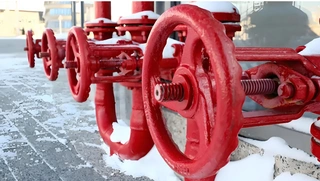
Use a rising stem valve for above-ground applications where visibility and ease of maintenance are important.
Use a non-rising stem valve for underground or space-limited installations.
The choice between rising stem and non-rising stem gate valves depends on your specific application needs. For clear valve status indication and easy maintenance, go with a rising stem valve. For compact installations, a non-rising stem valve is the better option.
What is a Non-Rising Stem Gate Valve?
A valve in which the stem does not move vertically but rotates internally to raise or lower the gate. This design is ideal for installations with limited vertical space.
What is CRA in valves?
CRA stands for Corrosion Allowance. In piping design, this refers to an added safety thickness on pressure-containing parts to compensate for corrosion over the valve's service life.
Typically applied to carbon steel, CRA values like 1.5 mm, 3 mm, or 6 mm are added on top of standard wall thicknesses according to ASME B16.34 or API 600.
What is OS&Y?
OS&Y stands for Outside Screw and Yoke. This design places the threaded stem outside the valve body, with the yoke supporting the stem. It allows users to visually verify whether the valve is open or closed by observing the stem's position.
OS&Y gate valves are commonly used in fire protection systems, including sprinklers, hydrants, and standpipes, due to their reliability and clear open/close indication.
How to distinguish DBB and DIB Valves?
DBB (Double Block and Bleed): Two single piston-effect seats.
DIB-I (Double Isolation and Bleed Type I): Two double piston-effect seats.
DIB-II (Double Isolation and Bleed Type II): One double piston-effect seat and one single piston-effect seat.